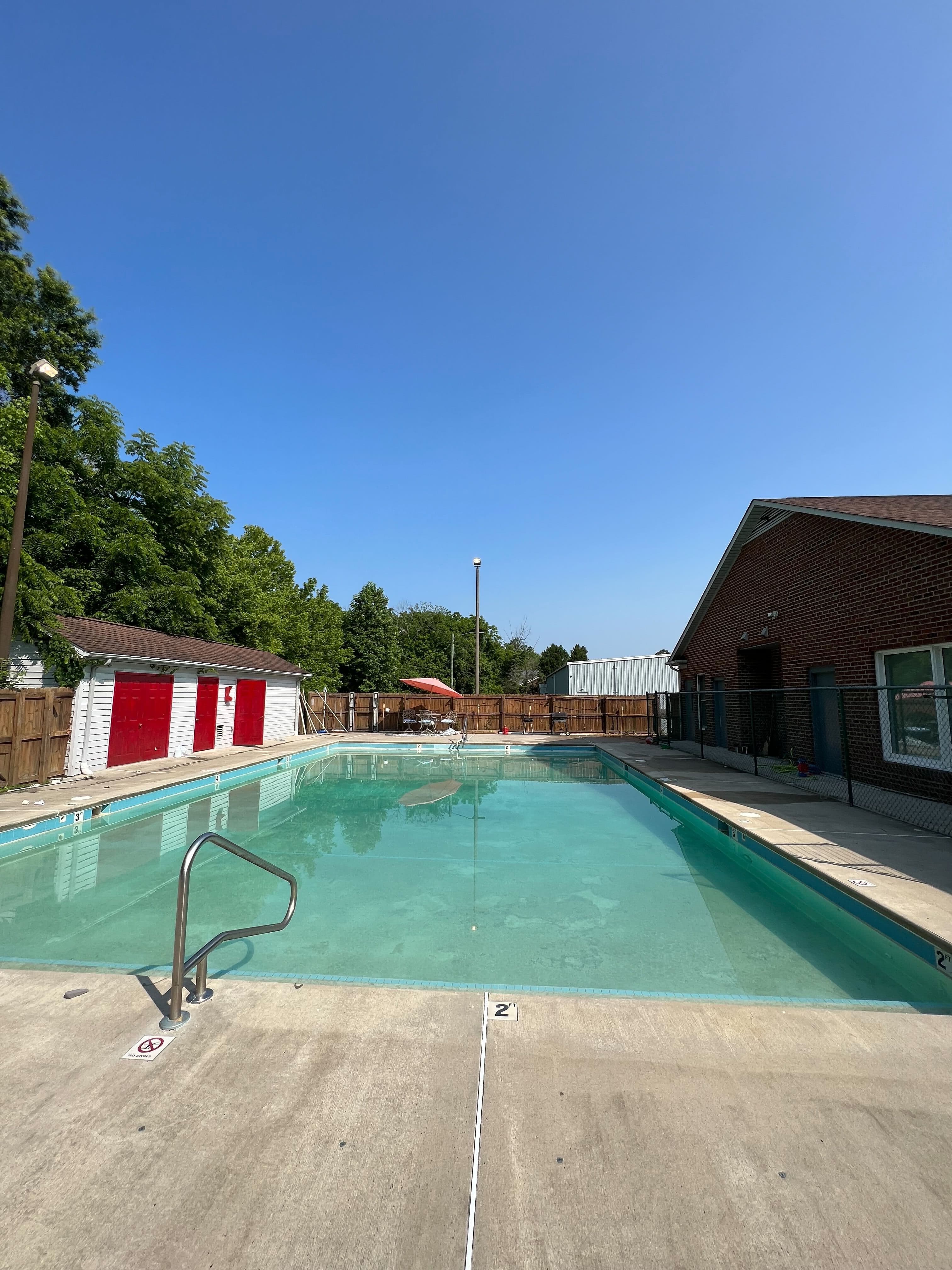
If the water looks clean for a day or two, then shifts back to a swampy color, the problem is usually not that you “didn’t add enough chemicals.” It means something in the system is letting algae come back faster than the sanitizer can control it.
That can happen from low free chlorine, high stabilizer, weak circulation, a dirty cartridge, heavy organic load, or a chemical reading that looks fine on a strip but is not telling the full story.
The fix is not to keep dumping random chemicals in and hoping it holds. You need to find what is feeding the bloom, remove what is already there, and keep the water balanced long enough for the system to recover.
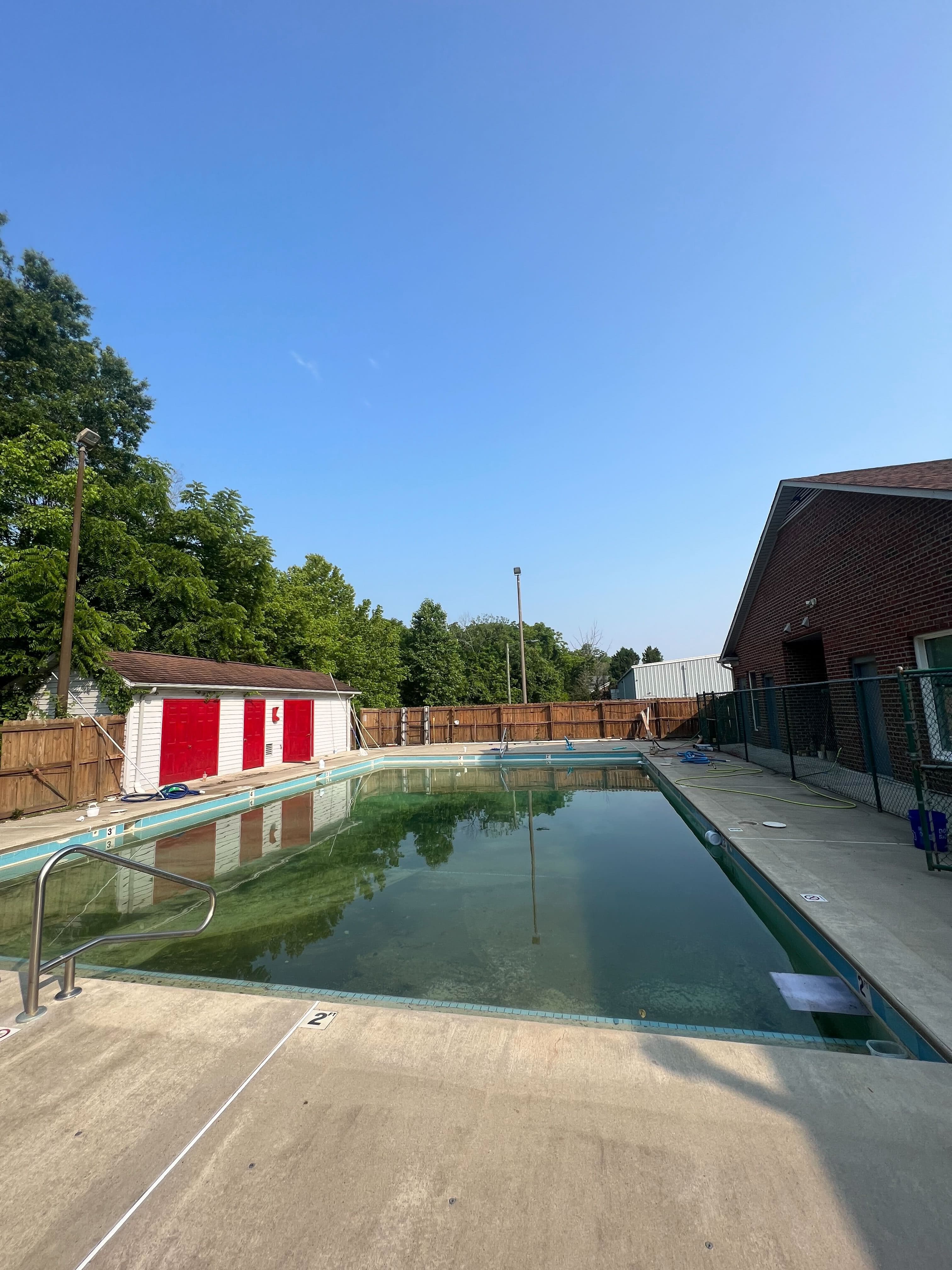
Quick answer: what makes water go green
The short version: algae gets a foothold when sanitizer drops too low for the conditions in the water.
Every outdoor pool picks up spores from wind, rain, leaves, pollen, swimsuits, toys, and surrounding landscaping. That does not automatically create a visible bloom. It becomes a problem when the sanitizer is used up, blocked, or unable to reach the areas where growth is starting.
In Charlotte, this can happen quickly during warm weather. A stretch of sun, storms, heavy use, and leaves around the deck can push the water out of balance faster than homeowners expect.
The important part is the word “recurring.” Anyone can get a temporary color issue after a storm or missed service. When it keeps coming back, something deeper needs to be corrected.
A clean-looking pool water sample can also be misleading if testing is incomplete. The pool may need more sanitizer than usual because heat, sunlight, and organics are using it up faster than normal. That is why the pattern matters as much as the color: if the water keeps turning green after treatment, the system is telling you the cause was never fully removed.
The real source is usually chlorine demand
When homeowners say they already added shock, the next question is what happened before and after that dose.
Shock raises chlorine for a short period. If the demand in the water is high, that extra sanitizer can get used up quickly by sunlight, organics, swimmer waste, leaves, and the existing bloom. The water may improve, then slide backward once the level drops again.
That is why a one-time shock treatment can fail even when the product was added correctly. Killing visible growth is only part of the job. The water also has to stay at a strong enough level long enough to finish the cleanup.
Stabilizer matters too. Cyanuric acid, often called CYA, protects chlorine from sunlight. That is helpful outdoors, but too much CYA means the same chlorine reading is less effective. A test may show sanitizer present, while the active amount is too weak for the conditions.
High pH can also make sanitizing less efficient. If pH is allowed to drift high, the water may look dull, scale-prone, and harder to correct. This is why a full test matters more than guessing from color alone.
A good green-water diagnosis should look at free chlorine, combined chlorine, pH, alkalinity, CYA, and visible conditions around the pool. Without that context, adding more shock can turn into a cycle instead of a solution.
This is where many pools get stuck. The water gets a heavy dose, the color improves, then the pool water is allowed to drift again. A stronger plan keeps the sanitizer in range, verifies the stabilizer level, and gives the system enough time to remove what the shock already killed.
Pool algae, weak flow, and hidden dead spots
Pool algae does not always start in the middle where it is easy to see. It often begins in corners, behind ladders, along steps, near light niches, under rails, or in areas where water moves slowly.
If circulation is weak, sanitizer may not reach every surface evenly. That leaves dead spots where growth can hold on after the rest of the water looks better.
The filter also has a role after treatment. Once chlorine kills active growth, the remaining dead particles still have to be removed. If the cartridge is loaded, the sand bed is channeling, or pressure is out of range, the system may keep pushing cloudy material around instead of capturing it.
Brushing is the step many homeowners skip. Brushing breaks growth loose from walls, steps, and floor surfaces so sanitizer can reach it. Vacuuming removes heavier material. Cleaning baskets keeps flow from dropping.
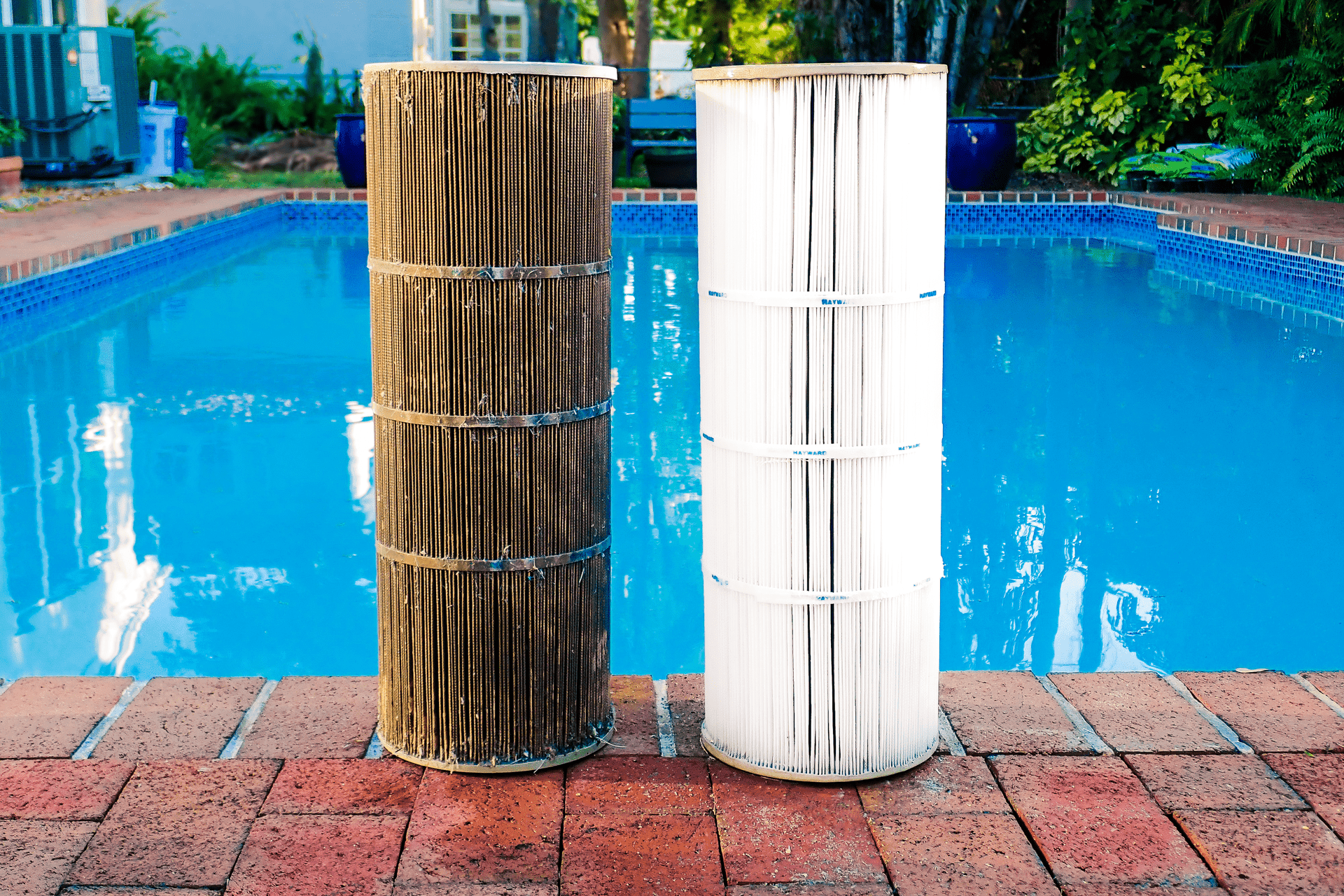
The system needs all three pieces working together: water chemistry, circulation, and physical cleaning. If one is missing, the water can look better for a little while and then go right back to green.
This is also why green algae can return even after a homeowner works hard on the problem. If one step is rushed, algae growth can restart in a shaded corner or behind a fitting. Algae is persistent, but it is not mysterious when the full pool care routine is checked instead of only the chemical side.
Phosphate levels are only part of the story
Phosphates are nutrients that can help algae grow, especially when leaves, soil, fertilizers, pollen, or runoff enter the water. Around landscaped yards, they are common.
But phosphate levels are not the first thing to blame. A properly sanitized and filtered pool can stay clear even when nutrients are present. The bigger issue is usually that chlorine has dropped too low, circulation is poor, or the cleanup was not completed.
That matters because phosphate remover alone will not fix an active bloom. It may help reduce one food source after the main problem is under control, but it cannot replace testing, brushing, filtration, and enough sanitizer.
The same is true for algaecide. Some chemical products are useful as preventives or for specific cases, but they are not a shortcut for a heavy bloom. Overusing copper-based algaecides can also create staining risk, especially when water balance is already off.
Baking soda is another example. It can raise alkalinity when that is actually needed, but it is not a green-water cure. If alkalinity is already fine, adding it may only move the chemistry in the wrong direction.
Green pool water usually needs a complete cleanup plan, not a single bottle. That plan may include brushing, vacuuming, shock, circulation, and filtration attention. If phosphates are high, they can be addressed after the bloom is under control, but they should not distract from the basics.
The best approach is boring but reliable: test first, correct the real imbalance, clean the surfaces, run the system long enough, then retest.
How to clear the water without guessing
If the water is already green, the goal is to remove the active bloom and stop it from returning. The exact process depends on the pool size, surface, filter type, CYA level, and how severe the color is.
For a homeowner, the safe framework looks like this:
Do not swim until the water is clear enough to see the bottom and the sanitizer and pH are back in a safe range. The CDC notes that properly treated water with the right disinfectant and pH is less likely to spread germs, but chlorine does not kill every germ instantly.
That is also why a cloudy or discolored pool should be treated as more than a cosmetic issue. If you cannot see the drain or floor clearly, it is harder to judge safety, depth, and hidden hazards.
For a swimming pool that is heavily green, do not expect it to clear instantly after one dose. Dead material can make the pool water look gray or cloudy before it improves. Keep the system moving, clean the filter as needed, and retest instead of assuming the first shock finished the job.
When pool maintenance should take over
Some color problems are easy to explain. You missed a week, a storm dumped leaves into the water, or the pump basket was packed full. Correct it, monitor the water, and it may hold.
But recurring problems are different. If the water keeps shifting after you have already shocked it, cleaned the baskets, and run the equipment, it is time to have the system checked.
SGV Pool Maintenance helps Charlotte-area homeowners with weekly service, water testing, chemical balancing, pool cleaning, filter cleaning, inspections, equipment checks, and algae treatment. The goal is not just to make the water blue for the weekend. It is to find the reason the problem keeps coming back.
That might mean the sanitizer is falling too low between visits. It might mean the pump is not running long enough in hot weather. It might be a dirty cartridge, weak return flow, a CYA issue, or buildup hiding in places that do not get brushed.
If your pool is already green, cloudy, or frustrating to manage, call SGV at (704) 985-2234. A professional visit can save you from wasting money on the wrong chemicals and help protect the equipment before the problem gets worse.
For homeowners with busy weeks or frequent storms, weekly service is often the easier route. The pool gets tested, baskets are checked, the filter can be monitored, and small changes are corrected before a clear blue surface starts looking dull again.
Call SGV Pool Maintenance
FAQs
Can too much chlorine change the water color?
Usually, no. A green tint is more commonly tied to algae, metals, or water balance issues. If the water turns color right after adding chemicals, metals such as copper or iron may be involved. If it gets worse over several days, growth and sanitation problems are more likely.
Why did the water turn back after shocking?
The dose may not have been strong enough, the sanitizer may have dropped too fast, the pH or CYA level may be off, or the filter may not have removed the dead material. Shocking once is not always enough when the demand is high.
Is it safe to swim if the water is slightly discolored?
It is better to wait. If the water is discolored or cloudy, you may not be able to see the floor clearly, and the chemistry may not be in a safe range. Test first and make sure the water is properly sanitized before anyone swims.
How do I stop this from happening again?
Keep testing consistent, brush trouble areas, clean baskets, watch pressure and flow, and do not let sanitizer fall below the level your water needs. Weekly professional service helps because small problems get caught before they become a full cleanup. A simple service schedule is much easier than rescuing the same water every few weeks.